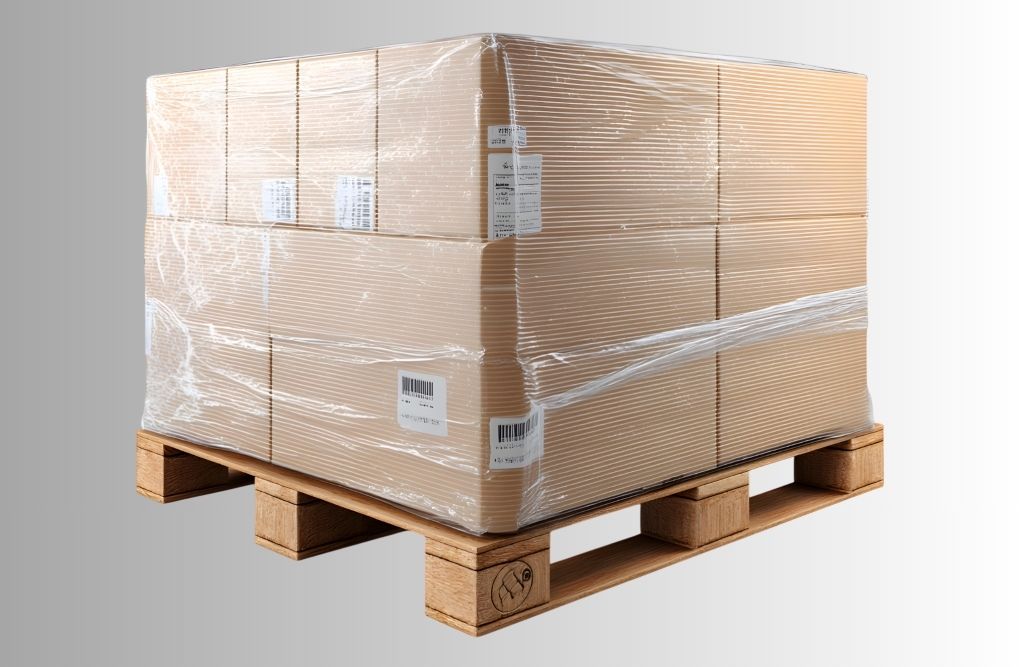
In global trade, packaging is no longer just a transport expense – it is a strategic tool that protects products, controls costs, and supports compliance. Custom packaging solutions built around wooden pallets and wooden boxes help manufacturers ship confidently to demanding domestic and international markets.
Why Custom Wooden Packaging Matters
Every product has unique dimensions, weight distribution, fragility, and handling requirements. Standard “one‑size‑fits‑all” cartons or pallets often lead to wasted space, instability, or damage in transit.
Custom packaging solutions solve these issues by aligning packaging design with:
- Exact product dimensions and stacking patterns
- Loading and unloading methods (forklift, pallet truck, crane, manual)
- Route complexity (multi‑modal, long‑distance, export)
- Destination country regulations for wooden packing
When the packaging is designed around the product and its journey, the result is lower damage rates, smoother warehouse handling, and more predictable logistics performance.
The Critical Role Of Wooden Pallet Manufacturers
Wooden pallets are the foundation of most industrial and export shipments. A skilled team of wooden pallet manufacturers does much more than simply nail boards together. They engineer the pallet to carry the right load safely over its entire life.
Well‑designed custom pallets can:
- Match the dynamic and static load requirements of the product
- Offer 2‑way or 4‑way entry to suit forklifts and pallet jacks
- Integrate with racking systems and conveyor lines
- Use timber thickness and board spacing that balance strength and cost
For exporters, pallet dimensions also need to match container sizes to avoid dead space. When wooden pallet manufacturers design specifically for a client’s SKU mix and loading pattern, the shipper gains both stability and better cube utilisation.
How Wooden Box Manufacturers Add Full Protection
Where pallets provide a base, wooden boxes and crates provide 360‑degree protection around the product. Wooden box manufacturers are essential when the cargo is high‑value, fragile, or irregular in shape.
Custom wooden boxes can be tailored to:
- Support heavy machinery, automotive assemblies, and precision equipment
- Include internal blocking, bracing, and saddles to lock items in position
- Accommodate sensitive components with cushioning, insulation, or anti‑corrosion layers
- Allow safe lifting with clearly designed lugs, slots, or base skids
Instead of forcing complex equipment into a standard container, wooden box manufacturers build the box around the equipment. This approach dramatically reduces shock, vibration, and impact damage during loading, transit, and unloading.
Export Wooden Packing: Compliance As A Design Parameter
For cross‑border shipments, export wooden packing must satisfy not only mechanical strength but also plant‑health and customs regulations in destination countries. Compliance is not an afterthought – it is a core part of the packaging design.
Export‑oriented wooden packaging typically includes:
- Timber that has been treated according to accepted international standards (such as ISPM‑15)
- Clear, permanent treatment marks on pallets, boxes, and dunnage
- Legible handling symbols, gross weight, and identification markings
- Packing configurations that simplify customs inspection and tallying
When export wooden packing is properly planned, shipments move faster through ports, experience fewer inspection delays, and avoid the cost and disruption of repacking.
Why An Export Fumigation Treatment Certificate Matters
Many countries strictly regulate untreated wood because of the risk of pests and diseases entering through packaging. An export fumigation treatment certificate serves as official proof that the wooden packing used in a shipment has been treated correctly.
This certificate typically confirms:
- Which treatment method was used (for example, fumigation or heat treatment)
- When and where the treatment was performed
- Which pallets, wooden boxes, crates, or dunnage pieces are covered
Custom packaging providers that work closely with approved treatment facilities can coordinate both the physical treatment and the paperwork. For exporters, this makes it far easier to meet the import requirements of multiple countries without managing separate vendors for packaging and fumigation documentation.
Designing Custom Packaging For Different Industries
The best custom packaging solutions are built around the realities of each industry’s products and logistics flows. Wooden pallet manufacturers and wooden box manufacturers can adapt their designs to different use cases, such as:
- Engineering and machinery
- Heavy‑duty skids and base frames
- Reinforced crates for tall or top‑heavy equipment
- Automotive and components
- Partitioned boxes and special pallets for multiple parts in one pack
- Designs that minimise metal‑to‑metal contact and surface damage
- Chemical and speciality products
- Boxes with internal liners or trays to manage leakage risk
- Pallets designed for drums, IBCs, and hazardous goods labelling space
- Consumer and retail bulk shipments
- Lightweight pallets that are easy to handle but still export‑ready
- Branded boxes that combine product protection with visual impact
By aligning packaging design with product behaviour and route conditions, businesses can turn packaging into a competitive advantage instead of a recurring problem.
Optimising Cost Without Compromising Safety
Custom packaging is often perceived as expensive, but smart design can actually reduce total landed cost. The goal is not just to lower material cost per unit, but to lower the combined cost of damage, rework, freight, and delays.
Cost can be optimised when:
- Pallet and box sizes are tuned to maximise container or truck fill
- Reusable packaging is introduced for regular flows between fixed locations
- Product‑wise standards are defined, so every shipment does not need last‑minute improvisation
- Documentation and export fumigation treatment certificates are managed in a consistent, repeatable way
In many cases, the savings from reduced product damage and better space utilisation are far higher than the minor increase in packaging design effort.
A Practical Scenario: From Generic To Custom
Consider a manufacturer who uses generic pallets and basic wooden boxes for all products. This often leads to unstable loads, empty spaces in containers, and occasional damage at the destination.
After engaging with specialised wooden pallet manufacturers and wooden box manufacturers, the same business can:
- Standardise pallet footprints and box sizes for each product family
- Introduce export wooden packing that already meets the requirements of key markets
- Integrate fumigation and documentation into the regular dispatch routine
Over time, claims reduce, labour becomes more efficient, and customers receive shipments in better condition, leading to higher confidence and repeat business.
How Hemant Wooden Packaging Pvt. Ltd. Supports Custom Solutions
Hemant Wooden Packaging, based near Mumbai, specialises in designing and supplying custom wooden pallets, wooden boxes, and export wooden packing for industrial and export customers. The company focuses on combining structural strength, regulatory compliance, and practical handling to create packaging that works in real‑world supply chains.
Key capabilities include:
- Custom‑built pallets for different load categories and handling systems
- Engineered wooden boxes and crates with suitable internal supports
- Coordination of treatment and marking for export‑ready packaging
- Support in arranging the necessary export fumigation treatment certificate through approved providers
By working closely with manufacturers and exporters, Hemant Wooden Packaging Pvt. Ltd. helps convert packaging from a last‑minute cost centre into a planned, reliable component of the logistics strategy.